

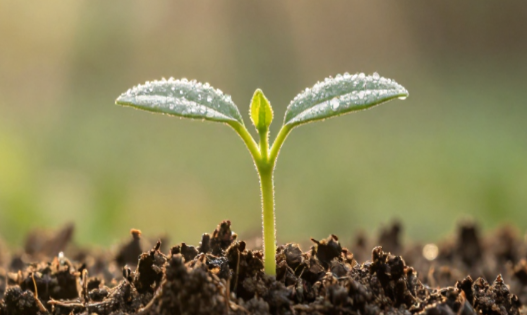
What you sow is what you reap
Good morning brethren, I would like to share a brief exhortation with us on the topic: “What you sow is what you reap” Our anchor Scripture is Galatians 6:7–9 says “Be not deceived; God is not mocked: for whatsoever a man soweth, that shall he also reap. For he that soweth to his flesh shall of the flesh reap corruption; but he that soweth to the Spirit shall of the Spirit reap life everlasting. And let us not be weary in well doing: for in due season we shall reap, if we faint not..” My aim for this topic is to help us understand that the choices we make will influence the kind of life, character, relationships, and spiritual growth we experience tomorrow. Galatians 6:7 is a principle which every farmer understands, they know that whatever you plant determines, to a great extent, what you harvest. If you plant maize, you expect maize. If you plant beans, you expect beans. They also know that, no one can plant thorns and expect to harvest oranges! In the same way, our daily lives are full of seeds. Our words, thoughts, attitudes, decisions, habits, and actions are seeds that we plant every day. Therefore it should be understood that when we sow kindness, we encourage love and peace. When we sow dishonesty, we damage trust. When we sow prayer and obedience to God, we strengthen our spiritual lives. When we sow laziness, we may eventually reap missed opportunities. And when we sow love into our families, we help create an atmosphere of unity. A clear lesson is that our future is influenced by the seeds we plant, therefore, we must be intentional about what we sow. For better understanding, to sow means to plant a seed and to reap means to harvest the result of what has been planted. In our Christian lives, sowing refers to our choices and actions, while reaping refers to the consequences or outcomes of those choices.
Apostle Paul teaches us in Galatians 6:8 that the person who sows to please the flesh will reap corruption, but the person who sows to please the Spirit will reap everlasting life. This verse tells us that a person’s life can be shaped by two kinds of seeds - Sowing to the flesh which means allowing sinful desires and selfish attitudes to control a person. For example one with the character of lying and cheating, bitterness, hatred and unforgiveness, sexual immorality, pride, greed and dishonesty, etc. For such who sows to the flesh, they are likely to harvest a broken relationships, guilt, loss of trust and spiritual weakness (Galatians 5:19–21). The second kind of seed is - Sowing to the Spirit, it means choosing to obey God and allowing the Holy Spirit to shape your character. For example praying and studying God's Word, showing kindness and forgiving others, speaking the truth, serving others faithfully, practising self-control, etc. And of course the possible harvest will be spiritual growth, stronger relationships, godly character and a life that honours God (Galatians 5:22–23). There are ways our daily decisions can shape our future. Our words are seeds. Proverbs 18:21 says, “Death and life are in the power of the tongue.” The words we speak can build people up or tear them down. Therefore as a believer before you speak, ask yourself, “Am I planting a seed of peace or a seed of trouble?” Scripture in Ephesians 4:29 tells us to let our words be useful for building others up. Our habits are also seeds, small actions repeated consistently can produce significant results over time. For example consistent saving can help build financial stability, regular learning can develop knowledge and skills, persistent laziness can lead to missed opportunities and of course daily dishonesty can destroy a person's reputation. Scripture in Proverbs 13:4 teaches that the diligent person will be satisfied. It is important not to underestimate the power of small, repeated decisions. Today's habits are helping to shape tomorrow's character. Our choices can also have consequences. As a child of God that does not mean we can deliberately do wrong without consequences (Psalm 51:1–12; 1 John 1:9). Lesson to learn, think beyond the pleasure of the moment. Ask yourself, “What could this decision produce in my life, family and relationship with God?” Believers are encouraged to sow good seeds even when results are delayed. Galatians 6:9 says “And let us not be weary in well doing: for in due season we shall reap, if we faint not.” A farmer does not plant seeds today and expect to harvest everything tomorrow. There is a process of watering, waiting and nurturing, in this same way, prayer, service, integrity, kindness and faithfulness may not produce immediate results. We must remain consistent, that includes not stopping in doing good because people fail to appreciate you. Key areas believers have to sow wisely, in relationships - sow love, patience, forgiveness and respect (Colossians 3:12–14), in spiritual lives - sow prayer, Bible study, worship and obedience (Joshua 1:8), in their work and responsibilities - sow diligence, honesty and excellence (Colossians 3:23), in the lives of others - sow generosity, encouragement, compassion and service (Proverbs 11:25).
In conclusion, every day presents us with an opportunity to plant seeds, we may not always control every circumstance that comes our way, but we can ask God to help us choose our responses wisely. Your faithfulness to God is never wasted, so begin to ask, “What am I planting today?” If you want a harvest of peace, sow peace. If you want stronger relationships, sow love. If you want spiritual growth, sow time in God's presence. If you want to please God, sow to the Spirit. May the Lord help us to sow good seeds and reap a harvest that glorifies His name, in Jesus name. In the name of Jesus, I declare you will never again sow carelessly, you will sow good seeds in your family, ministry, work and relationships. You will not grow weary in doing good, and your life will produce fruit that glorifies God, in Jesus name. Amen. Our Workers meeting begins at 9:45 am and the Service starts at 10:15 am. God bless you all. – Mike